
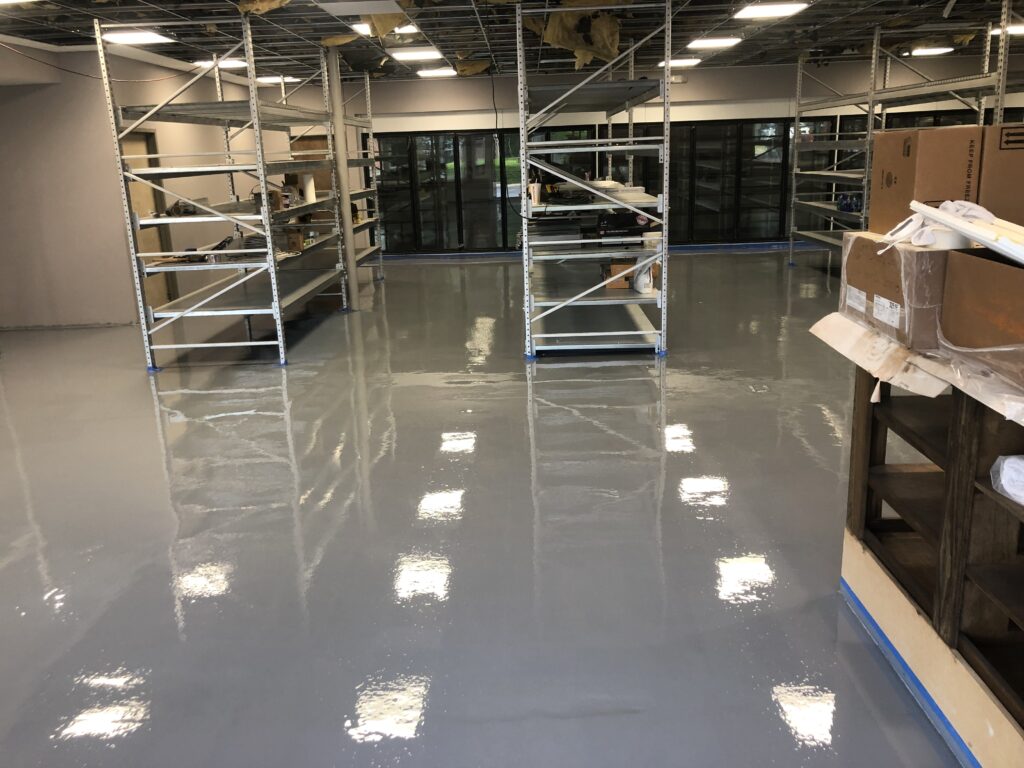
When comparing urethane cement vs epoxy restaurant kitchens, urethane cement is generally the better choice for hot, wet areas exposed to steam, grease, and frequent cleaning. Epoxy flooring works well in dry storage areas, dining spaces, and commercial kitchens with moderate temperatures and less demanding cleaning conditions.
Both flooring systems offer durable, seamless surfaces, but they perform differently under the daily demands of a restaurant.
Urethane cement is designed to handle thermal shock, moisture, and heavy kitchen traffic. Epoxy offers excellent durability, a wider range of decorative finishes, and often a lower installation cost.
For restaurant owners in Atlanta, GA, choosing the right flooring can help reduce maintenance expenses, improve cleaning efficiency, and prevent premature floor failure.
At Buckhead Stone Care, we help commercial property owners and restaurant operators evaluate flooring systems based on their facility’s needs.
This guide compares urethane cement and epoxy flooring for restaurant kitchens, including durability, moisture resistance, installation costs, maintenance, and the best applications for each system.
Urethane Cement vs Epoxy Restaurant Kitchens Comparison
The biggest difference between urethane cement and epoxy flooring is how each material responds to heat, moisture, and temperature changes.
Urethane cement is commonly selected for demanding commercial kitchens, while epoxy is often more practical for areas with stable temperatures and lighter exposure to water.
Here is a comparison of the two flooring systems.
| Feature | Urethane Cement | Epoxy Flooring |
|---|---|---|
| Primary use | Heavy duty commercial kitchens | Dry and moderate use commercial areas |
| Thermal shock resistance | Excellent with suitable systems | More limited with standard epoxy |
| Moisture tolerance | Often higher | Depends on product and moisture testing |
| Chemical resistance | Excellent for many kitchen chemicals | Good to excellent depending on formulation |
| Slip resistance | Textured finishes available | Textured finishes available |
| Surface appearance | Functional and decorative options | Wide variety of decorative options |
| Hot water washdowns | Suitable when properly specified | Standard systems may not be suitable |
| Installation cost | Approximately $8 to $17 per sq ft | Approximately $4 to $10 per sq ft |
| Best applications | Cook lines, dishwashing areas, food processing | Dry storage, dining areas, light duty kitchens |
Pricing is provided for preliminary budgeting. Actual installation costs depend on concrete condition, surface preparation, flooring thickness, and project requirements.
For kitchens exposed to frequent hot water, grease, and temperature changes, urethane cement is usually the more suitable flooring system.
However, epoxy remains a practical option for restaurant areas that do not experience extreme operating conditions.
What Is Urethane Cement Flooring?
Urethane cement, also called cementitious urethane or polyurethane concrete, is a heavy duty resinous flooring system made using polyurethane components, cement, and aggregates.
It is designed for commercial and industrial environments that experience demanding conditions.
Unlike conventional thin epoxy coatings, urethane cement is often installed as a thicker flooring system.
This provides protection against repeated temperature changes, impacts, and certain chemical exposures.
Benefits of Urethane Cement for Commercial Kitchens
Thermal Shock Resistance
Urethane cement is designed to handle rapid temperature changes.
This makes it especially useful in commercial kitchens where hot water, cooking equipment, and cold cleaning water can affect the floor throughout the day.
Moisture Tolerance
Many urethane cement systems tolerate higher concrete moisture levels than conventional epoxy coatings.
However, the substrate must still meet the manufacturer’s requirements.
Chemical Resistance
Properly specified urethane cement can resist common kitchen contaminants, including certain food acids, grease, and cleaning chemicals.
Heavy Duty Performance
Urethane cement is suitable for demanding areas exposed to rolling carts, dropped utensils, and frequent foot traffic.
Seamless Flooring
When professionally installed, the system creates a continuous surface that is easier to clean than flooring with numerous grout joints.
Customizable Slip Resistance
Textured aggregates can be incorporated to provide appropriate traction for wet and greasy kitchen environments.
Where Urethane Cement Works Best
Urethane cement is commonly recommended for:
- Restaurant cook lines
- Fryer and oven areas
- Commercial dishwashing stations
- Food preparation facilities
- Walk in coolers and freezers when appropriately specified
- Commercial bakeries
- Food processing facilities
- Areas exposed to hot water washdowns
For businesses that need flooring designed for demanding food service environments, urethane cement can provide long term value.
What Is Epoxy Flooring for Restaurant Kitchens?
Epoxy flooring is a resin based coating system applied over prepared concrete.
It forms a protective surface that can resist abrasion, stains, and certain chemicals.
Epoxy is widely used in commercial facilities because it provides a durable finish with many available colors and textures.
However, not every epoxy product is suitable for commercial kitchen conditions.
Standard epoxy may struggle in areas exposed to repeated thermal shock, hot water, and demanding cleaning procedures.
Benefits of Epoxy Flooring for Restaurants
Durability
Properly selected epoxy systems can withstand regular foot traffic, carts, and everyday commercial use.
Easy Cleaning
Seamless epoxy surfaces can simplify routine cleaning compared with untreated concrete or damaged grout.
Decorative Options
Epoxy is available in solid colors, decorative flakes, quartz systems, and metallic finishes.
Chemical Resistance
Certain epoxy formulations provide resistance to cleaning products, oils, and other substances commonly found in commercial environments.
Cost Effective Installation
Standard epoxy systems generally cost less than heavy duty urethane cement flooring.
Where Epoxy Flooring Works Best
Epoxy flooring can be a good choice for:
- Restaurant dining areas
- Dry food storage rooms
- Commercial restrooms
- Office spaces
- Serving and staging areas
- Coffee shops with moderate cleaning requirements
- Light duty preparation areas
The exact suitability depends on moisture exposure, cleaning temperatures, traffic, and chemical resistance requirements.
Explore Buckhead Stone Care’s professional epoxy flooring services to learn more about available coating solutions.
Why Urethane Cement Is Better for Hot Commercial Kitchens
Heat and sudden temperature changes are major concerns for commercial kitchen flooring.
During a typical restaurant shift, floors may experience hot cooking oil, steam, boiling water, and cold rinse water.
These changes can place stress on the flooring system.
Understanding Thermal Shock
Thermal shock occurs when a material experiences rapid temperature changes that cause expansion and contraction.
Conventional epoxy coatings and concrete may expand at different rates.
Repeated temperature changes can place stress on the bond between the coating and the concrete surface.
Over time, unsuitable flooring may experience cracking, blistering, or delamination.
Urethane cement systems are generally better suited to these conditions because their thermal movement is closer to that of concrete.
This helps them withstand repeated exposure to hot and cold conditions when properly specified.
How Much Heat Can Urethane Cement Handle?
Some urethane cement flooring systems are rated for exposure to temperatures around 200°F to 250°F.
However, temperature resistance depends on the product formulation, installed thickness, and duration of exposure.
Not every urethane cement system has the same thermal performance.
For example, manufacturers such as Sika provide technical specifications for cementitious urethane flooring systems designed for industrial and food processing environments.
Always review the specific product’s temperature ratings before installation.
Which Flooring Is Better for Grease and Moisture?
Commercial kitchens frequently experience grease, water, food spills, and cleaning chemicals.
The correct flooring system should handle these conditions while remaining practical to maintain.
Urethane Cement for Wet Kitchen Areas
Urethane cement is often selected for areas where floors are regularly washed with hot water or exposed to demanding cleaning procedures.
It can be paired with textured finishes and integral cove bases to support sanitation and cleaning.
However, resistance to specific chemicals and cleaning agents must be confirmed with the manufacturer.
Epoxy for Moderate Moisture Exposure
Epoxy flooring can also provide a seamless, water resistant surface.
It works well in areas where moisture exposure is controlled and the flooring system is compatible with the cleaning methods used.
For areas exposed to repeated hot water washdowns, conventional epoxy may not be the best choice.
Why Surface Texture Matters
Both urethane cement and epoxy can be finished with aggregates that increase surface traction.
This is important in areas exposed to spills, grease, and water.
However, a more textured floor can require additional cleaning effort.
The goal is to select a finish that balances slip resistance with sanitation and maintenance requirements.
Urethane Cement vs Epoxy Restaurant Kitchen Flooring Cost
Installation cost is an important consideration for restaurant owners and property managers.
In general, urethane cement costs more than standard commercial epoxy because it often requires a thicker system and more specialized installation techniques.
Here are typical preliminary pricing ranges.
| Flooring System | Estimated Installed Cost |
|---|---|
| Standard commercial epoxy | $4 to $7 per sq ft |
| Heavy duty epoxy | $6 to $10 per sq ft |
| Urethane cement | $8 to $17 per sq ft |
| Specialized kitchen flooring | $17+ per sq ft |
These are general budgeting estimates rather than confirmed local Atlanta averages.
Example Cost for a 1,200 Square Foot Kitchen
For a restaurant kitchen measuring 1,200 square feet, estimated costs may include:
| Flooring System | Estimated Total Cost |
|---|---|
| Standard commercial epoxy | $4,800 to $8,400 |
| Heavy duty epoxy | $7,200 to $12,000 |
| Urethane cement | $9,600 to $20,400 |
Additional expenses may include:
- Removing existing tile or flooring
- Concrete grinding and preparation
- Moisture testing and mitigation
- Crack and joint repairs
- Cove base installation
- Drain detailing
- Correcting drainage slopes
- Special installation scheduling
While urethane cement may require a higher initial investment, it can offer better value in areas where standard epoxy is unsuitable for the operating conditions.
For more pricing information, read our commercial epoxy flooring cost guide for Atlanta.
Choosing Restaurant Flooring Based on Kitchen Areas
Restaurants do not always need the same flooring system in every room.
Different areas experience different levels of heat, moisture, traffic, and cleaning.
Selecting flooring based on these conditions can help improve performance while keeping the project budget practical.
| Restaurant Area | Recommended Flooring |
|---|---|
| Cook lines and fryer areas | Urethane cement |
| Dishwashing stations | Urethane cement |
| Hot water washdown areas | Urethane cement |
| Walk in freezers | Temperature rated urethane cement |
| Food preparation areas | Urethane cement or suitable epoxy |
| Dry storage rooms | Commercial epoxy |
| Office spaces | Commercial epoxy |
| Restaurant restrooms | Textured epoxy or urethane cement |
| Dining areas | Decorative epoxy |
| Commercial corridors | Epoxy or urethane cement based on exposure |
A restaurant may benefit from urethane cement in the main kitchen and epoxy in dry storage or customer facing areas.
This approach allows businesses to invest in heavy duty protection where it is most needed.
What Makes a Commercial Kitchen Floor Safe and Easy to Clean?
Flooring for food service facilities should be selected with sanitation, drainage, slip resistance, and maintenance in mind.
Both urethane cement and epoxy can support these goals when properly specified and installed.
Seamless Surface Design
Seamless resinous flooring reduces the number of joints where dirt and moisture can accumulate.
This can make routine cleaning more efficient.
Integral Cove Base
A cove base creates a curved transition between the floor and wall.
Instead of leaving a sharp corner, the flooring extends upward to create a continuous, easier to clean surface.
Many commercial kitchens use integral cove bases to support sanitation requirements.
Drainage and Floor Slope
Commercial kitchens need appropriate drainage in areas that regularly experience water.
The flooring system should be installed to work with existing drains and required slopes.
Slip Resistant Texture
Wet and greasy kitchen floors can create slipping hazards.
A suitable textured finish helps provide traction under expected conditions, although cleaning and spill control remain essential.
Proper Cleaning and Maintenance
The selected floor should tolerate the facility’s approved cleaning chemicals and procedures.
Restaurant owners should also confirm applicable requirements with their local health department and relevant building authorities.
The FDA Food Code provides guidance on food establishment surfaces, cleanability, and sanitation. Local adoption and enforcement requirements may differ.
How Concrete Preparation Affects Kitchen Flooring Performance
Even a high quality flooring system can fail if the concrete underneath is not properly prepared.
Before installing urethane cement or epoxy, the existing floor should be evaluated.
Preparation may involve:
- Removing old tile, adhesive, or coating materials.
- Eliminating grease and other contaminants.
- Grinding or shot blasting the concrete.
- Repairing cracks, damaged areas, and suitable joints.
- Evaluating moisture conditions.
- Preparing drains, termination points, and wall transitions.
The specific preparation method depends on the flooring system and substrate condition.
Restaurant kitchens with old quarry tile, damaged grout, or grease contaminated concrete may require extensive preparation before new flooring can be installed.
Buckhead Stone Care provides floor preparation and leveling services to help prepare concrete for new flooring systems.
Proper preparation helps improve bonding and long term performance.
How Long Does Commercial Kitchen Flooring Take to Install?
Installation time depends on the size of the kitchen, existing floor condition, flooring system, and curing requirements.
Some fast curing urethane cement systems allow light foot traffic within approximately 12 to 24 hours after application.
However, the complete project may take longer because of demolition, concrete repairs, surface preparation, and installation details.
Epoxy cure times also vary depending on the product and environmental conditions.
Ways to Reduce Restaurant Downtime
Restaurant owners can plan flooring projects more efficiently by:
- Scheduling installation during planned closures
- Coordinating work with other renovations
- Completing suitable areas in phases
- Clearing kitchen equipment before installation
- Confirming expected curing times
- Planning reopening around the manufacturer’s return to service requirements
The fastest curing product is not necessarily the fastest complete installation.
Concrete preparation and site conditions must also be considered.
How Long Do Urethane Cement and Epoxy Kitchen Floors Last?
Both systems can provide many years of service when installed correctly and used within their intended performance limits.
However, their useful life depends on traffic, temperature changes, cleaning chemicals, maintenance, and substrate conditions.
Urethane Cement Lifespan
Urethane cement can provide long term durability in demanding kitchen environments.
Its resistance to thermal shock and appropriately specified chemical exposure makes it a practical option for areas with regular hot water cleaning and heavy use.
Epoxy Flooring Lifespan
Epoxy can also perform well for years in suitable commercial areas.
However, installation in environments with repeated extreme temperature changes or incompatible chemicals may result in earlier coating failure.
Which Has Better Long Term Value?
For dry areas with moderate traffic, epoxy may offer better value because of its lower installation cost.
For cook lines, dishwashing areas, and other demanding kitchen environments, urethane cement may provide better long term performance and reduce the risk of premature replacement.
The right choice depends on the actual operating conditions rather than the upfront cost alone.
Urethane Cement vs Epoxy Restaurant Kitchens FAQs
Is Urethane Cement Better Than Epoxy for Restaurant Kitchens?
Urethane cement is generally better for commercial kitchen areas exposed to high temperatures, hot water washdowns, grease, and frequent cleaning. Epoxy is often more suitable for dry areas with moderate operating conditions.
Can Epoxy Flooring Be Used in Commercial Kitchens?
Yes. Epoxy can be used in commercial kitchens when the selected product is appropriate for the expected temperature, moisture, chemical exposure, and traffic. It is commonly used in dry storage areas, corridors, and lighter duty food service spaces.
How Much Does Urethane Cement Flooring Cost?
Urethane cement flooring may cost approximately $8 to $17 per square foot installed for some commercial kitchen projects. Actual costs depend on floor preparation, project size, system thickness, cove bases, and drain detailing.
Is Urethane Cement Flooring Slippery?
Urethane cement can be finished with textured aggregates to improve traction. Slip resistance depends on the selected finish, cleaning practices, and conditions such as water and grease exposure.
Can Urethane Cement Withstand Hot Water?
Yes. Many urethane cement systems are designed to tolerate hot water washdowns and thermal shock. Temperature limits depend on the specific product and installed thickness.
Can Urethane Cement Be Installed Over Existing Tile?
Some systems may allow installation over suitable existing substrates under specific manufacturer requirements. However, old tile and grout are often removed so contractors can inspect and prepare the underlying concrete. The appropriate method depends on substrate condition and system specifications.
How Long Does Urethane Cement Take to Cure?
Some fast curing urethane cement systems permit light foot traffic within 12 to 24 hours. Heavy traffic and chemical exposure may require additional curing time. Always follow manufacturer instructions.
Which Flooring Is Easier to Clean in a Restaurant Kitchen?
Both systems can create seamless, easy to clean surfaces. Urethane cement is often preferable in areas exposed to aggressive washdowns, while epoxy works well in less demanding spaces. Surface texture and cleaning procedures also affect maintenance.
Is Urethane Cement More Expensive Than Epoxy?
Urethane cement generally has a higher installation cost than standard epoxy. However, it can offer better long term value in environments where thermal shock, moisture, and heavy cleaning would shorten the service life of unsuitable epoxy systems.
Do Restaurant Kitchens Need Slip Resistant Flooring?
Commercial kitchen floors should provide appropriate traction for expected working conditions. The required finish depends on local regulations, facility operations, and exposure to water, grease, and other contaminants.
Get Professional Restaurant Kitchen Flooring in Atlanta GA
Choosing between urethane cement vs epoxy restaurant kitchens comes down to the conditions your flooring needs to handle every day.
Urethane cement is usually the better choice for cook lines, dishwashing stations, and other areas exposed to heat, moisture, and demanding cleaning procedures.
Epoxy flooring can be a cost effective option for dry storage, dining areas, and other restaurant spaces with less demanding conditions.
At Buckhead Stone Care, we work with restaurant owners, commercial property managers, builders, and general contractors across Atlanta, Milton, Athens, and surrounding Georgia communities.
Our team helps evaluate concrete conditions, flooring requirements, and installation schedules to recommend suitable commercial flooring solutions.
Explore our completed flooring projects to learn more about our work.
Ready to upgrade your restaurant kitchen flooring?
Call 678-446-6560 or contact Buckhead Stone Care to schedule a walkthrough and request a detailed commercial flooring estimate.